Indo-Pak war
Pakistani air strikes on India bring Indian forces into the war beside the Mukti Bahini.
Eight months of war before the war
By December 1971, the people of Bangladesh had been fighting for eight months. The Mukti Bahini, made up of Bengali soldiers, police and paramilitaries who had rebelled, and tens of thousands of young volunteers, had grown from scattered resistance into an organized force. In July the country was divided into eleven sectors, each under a commander. Guerrillas blew up bridges, power stations and railways, and in August naval commandos sank ships in Chittagong and other ports in Operation Jackpot. By late autumn, Bengali forces had taken many border posts.
India had been part of the story from the start. It opened its borders to some ten million refugees, gave the Bangladesh government a home in exile, and trained and armed the Mukti Bahini. In August it signed a friendship treaty with the Soviet Union. From late November, Indian troops, with Mukti Bahini support, were already moving into parts of East Pakistan.
3 December 1971
On the evening of 3 December, the Pakistan Air Force launched surprise air strikes on several airfields in northern and western India, an attack code-named Operation Chengiz Khan. The strikes did little damage, but their effect was decisive. That same evening, Indira Gandhi told India by radio that the attack amounted to a declaration of war. The next day both governments acknowledged that a state of war existed between them, though neither formally declared it.
Thirteen days
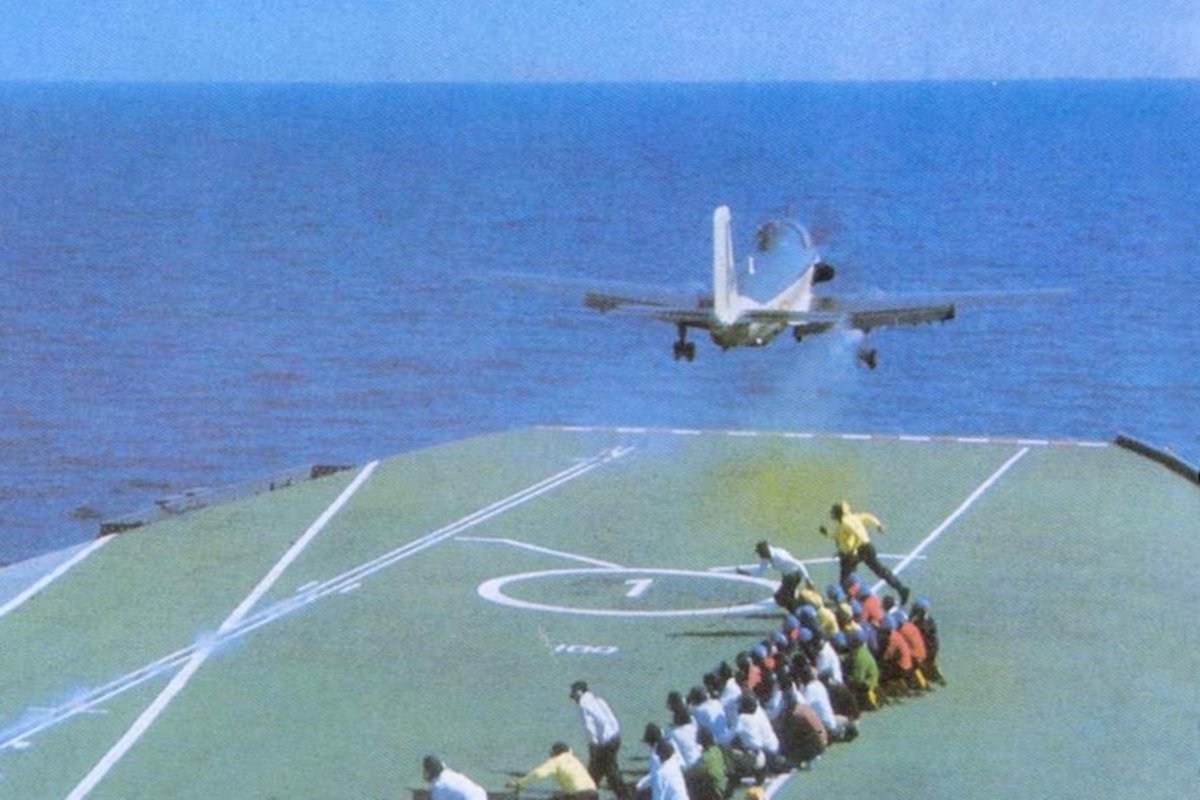
The war was fought on two fronts, in the west and in the east. In the east, Indian forces and the Mukti Bahini fought together as allies under a joint command. Within a week, Indian and Bangladeshi air attacks had grounded Pakistan's air force in the east, and the Indian Navy, including aircraft from the carrier INS Vikrant, closed the ports. On land, the allied forces moved quickly, going around strong points rather than stopping to fight for each one, and closed in on Dhaka. Paratroopers landed near Tangail on 11 December.
The war also became a Cold War crisis. The United States, an ally of Pakistan, sent the aircraft carrier USS Enterprise into the Bay of Bengal; the Soviet Union, backing India, sent warships of its own.
Thirteen days after the air strikes, on 16 December, Pakistan's Eastern Command surrendered in Dhaka. Fighting in the west ended the next day.
Why it matters
The liberation war was won by the people of Bangladesh over nine months, at enormous cost. India's full entry in December turned that long struggle into a swift military end. As Wikipedia puts it in summary, the war confirmed the independence of Bangladesh.
Thanks and sources
Thank you to Wikipedia and its volunteer editors for the information on this page. What you read here is our own summary, based on the Wikipedia articles below. Wikipedia text is shared under the Creative Commons Attribution-ShareAlike 4.0 licence (CC BY-SA 4.0).
- India–Pakistan war of 1971 (the title "Indo-Pakistani war of 1971" redirects here)
- Operation Chengiz Khan
- Bangladesh Liberation War (Liberation War; Indian involvement; Air and naval war)
- Mukti Bahini
- Operation Jackpot
- Timeline of the Bangladesh Liberation War