Military rule begins
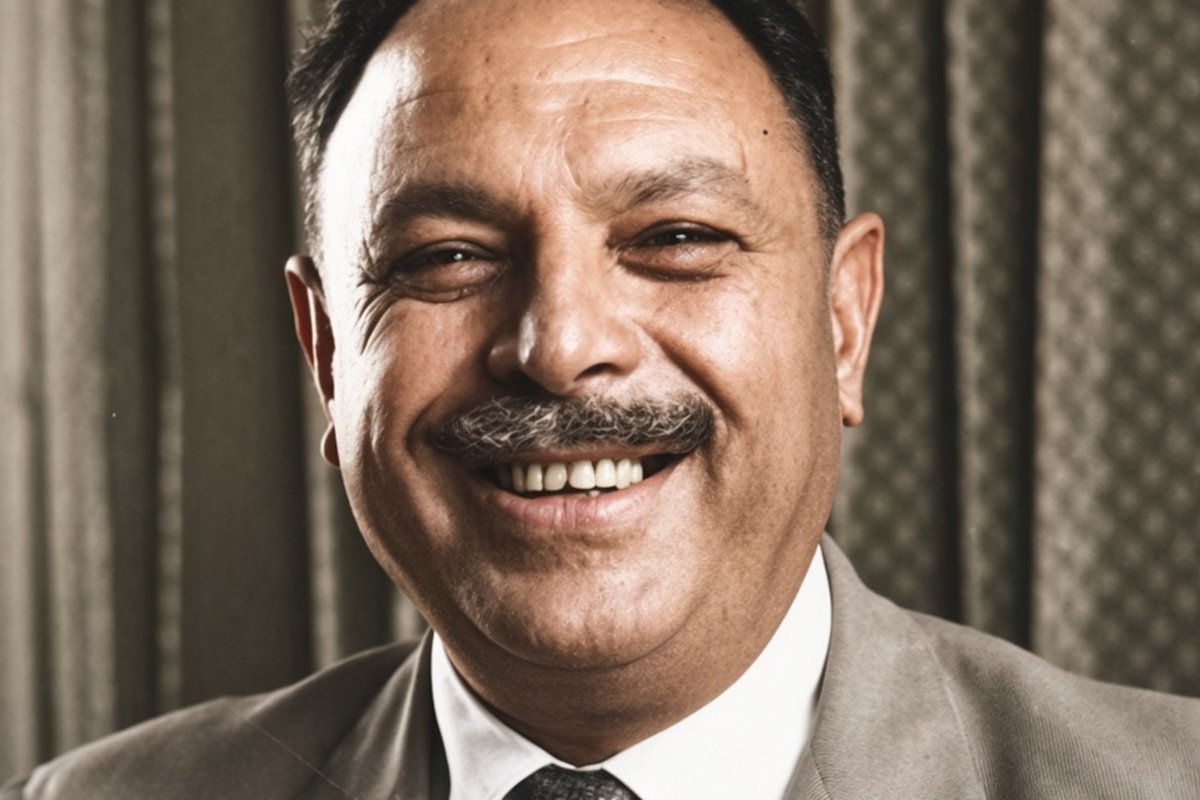
Ayub Khan imposes martial law.
Two years of turmoil
After the 1956 constitution, Pakistan's politics grew more unstable, not less. Between 1956 and 1958 the country went through four prime ministers. Elections were promised for early 1959, but trust in the political system was collapsing, and the army had grown used to seeing itself as the one institution that held the country together.
October 1958
On 7 October 1958, President Iskander Mirza abrogated the constitution and declared martial law. He dismissed the government, dissolved the national and provincial assemblies and banned all political parties. He named the army's commander-in-chief, General Ayub Khan, as Chief Martial Law Administrator.
The arrangement lasted less than three weeks. On 27 October 1958, Ayub Khan's generals forced Mirza to resign, and Ayub took the presidency himself. Mirza was sent into exile in London. This is remembered as Pakistan's first military coup.
A decade under Ayub
Ayub Khan ruled until March 1969. His government brought fast economic growth and new dams and power stations, but Wikipedia notes that much of the benefit went to a small elite. In 1962 he introduced a new constitution with a strong presidency.
For East Pakistan, military rule sharpened old grievances. Both of Pakistan's military rulers of this era, Ayub Khan and later Yahya Khan, came from the western wing. Bengalis were badly under-represented in the armed forces; by 1965, officers of Bengali origin made up only about five percent of the officer corps. The 1965 war with India also left many in the east feeling that their wing had been left almost undefended.
Why it matters
With elections cancelled and parties banned, East Pakistan lost the one route it had to turn its larger population into political power. The anger that built up under Ayub's rule would surface in the Six-Point Movement of 1966 and break out into the open in the mass uprising of 1969.
Thanks and sources
Thank you to Wikipedia and its volunteer editors for the information on this page. What you read here is our own summary, based on the Wikipedia articles below. Wikipedia text is shared under the Creative Commons Attribution-ShareAlike 4.0 licence (CC BY-SA 4.0).
- 1958 Pakistani military coup
- Ayub Khan
- 1970 Pakistani general election (Background section)
- Bangladesh Liberation War (Disparities and Political differences sections)